
How to Choose a Corporate Event Planner in Kelowna
The right corporate event planner in Kelowna shares your team’s values and communication style, so they feel like an extension of your team. Confirm their leadership and corporate experience, their capacity for your dates, and who leads decisions and how they get made. Then check the local relationships your event needs.
Kelowna has many skilled event professionals. What separates a good fit from a great one is how well they work with your people, at your pace, toward your results. These six checks will help you find that.
1. Start with values and communication style
Be clear on what matters to your team: how direct you like communication, how quickly decisions move, and how updates and feedback are shared. Then listen for those traits in your first conversations with each planner or agency.
Here is what we value at Ankor when we work with clients:
Candid, direct and respectful communication. We stay focused on the goal and skip what doesn’t move the needle.
Responsiveness. Quick, clean, timely answers on both ends.
Respect for the process. Great events are built behind the scenes, and the details take time.
Understanding the ROI. The budget fits the scope, so every detail gets the attention it needs.
Integrity and confidentiality. Honest communication, and what happens behind the scenes stays private.
When a planner’s values match yours, the work feels easier on both sides.
2. Look for leadership experience
If your planner will work alongside your marketing team, administration, leadership team or others, the event manager or director assigned to your project needs strong project management and leadership skills. They will be holding people to agreed timelines and outputs, so ask how they have:
Worked inside a client’s team
Motivated team members
Kept people accountable to deadlines
Kept everyone engaged through a long planning period
Strong leadership builds buy-in across your team, and that shows up on event day.
3. Ask about corporate experience
A corporate event carries more strategy than a personal one. It supports business results, priorities and a list of stakeholders. Planners with corporate experience, including board or executive-level work, understand the outcomes behind the event and the priorities of everyone involved. Ask how they have managed stakeholders and worked toward business goals, in events and beyond them. Much of what keeps an event on track with those goals happens in conversations well before the event itself.
4. Confirm capacity
Ask who your events lead will be and what their capacity looks like around your dates. A few direct questions will tell you a lot:
What else is on their calendar around your event, and how will yours be prioritized?
How often will they be in touch with your team, and how responsive will each side be?
Is the work virtual, on site or both?
Who on your side needs to be available for questions, budget approvals and changes?
Clear answers mean the project keeps moving without delay, and you stay connected without being pulled into the details.
5. Decide who leads decisions
Planners work in different ways. Some bring most decisions to the client, and many clients want that level of involvement. Others work from clear scope, budget and parameters, make the key decisions within them, and keep the client informed.
Knowing which approach you want will narrow your options faster than any other check, because not every planner is comfortable making big decisions.
Ankor leads decisions within the scope, budget and direction we agree on at the start. We update you at key check-ins and bring you in when something pivots, falls outside the scope, or opens a new opportunity. We still gather input from your team along the way.
Clients tell us this is the biggest change for them. They no longer have to think through, decide or hold space in their brain to monitor event logistics. That frees them up to work at the macro level: keeping the vision and team leadership clear, prioritizing communication with sponsors and stakeholders, and focusing on the impact of the event.
6. Check community relationships
Look for a planner with experience or relationships with local organizations, suppliers and vendors who can add value to your event. If they don’t have a connection you need, ask how they would build it.
Quick reference
| What to check | What good looks like | Question to ask |
|---|---|---|
| Values and communication | Matches your team's style and pace | How do you communicate when priorities change? |
| Leadership | Has led and motivated client teams | How do you keep team members accountable? |
| Corporate experience | Understands business goals and stakeholders | How have you managed stakeholders and worked toward business goals? |
| Capacity | Named lead, clear touch points | Who is my events lead, and what else is on their calendar around my date? |
| Decision-making | Process matches how you want to work | Which decisions do you make, and which come to me? |
| Community relationships | Local suppliers, venues and partners | Who would you bring in for this event? |
FAQ
What should I look for in a corporate event planner?
Look for values and communication fit, leadership experience, corporate experience, capacity for your dates, a decision-making style that suits you, and the local relationships your event needs.
How is corporate event planning different from personal event planning?
A corporate event supports business goals and involves more stakeholders, so it calls for more strategy and alignment with company priorities.
How do I know if a planner has capacity for my event?
Ask who your events lead is, what else they are managing around your dates, and how they will prioritize your project. Confirm touch points and response times up front.
Should my planner make decisions or should I?
Both work. Decide which you prefer, then choose a planner who is comfortable with that approach.
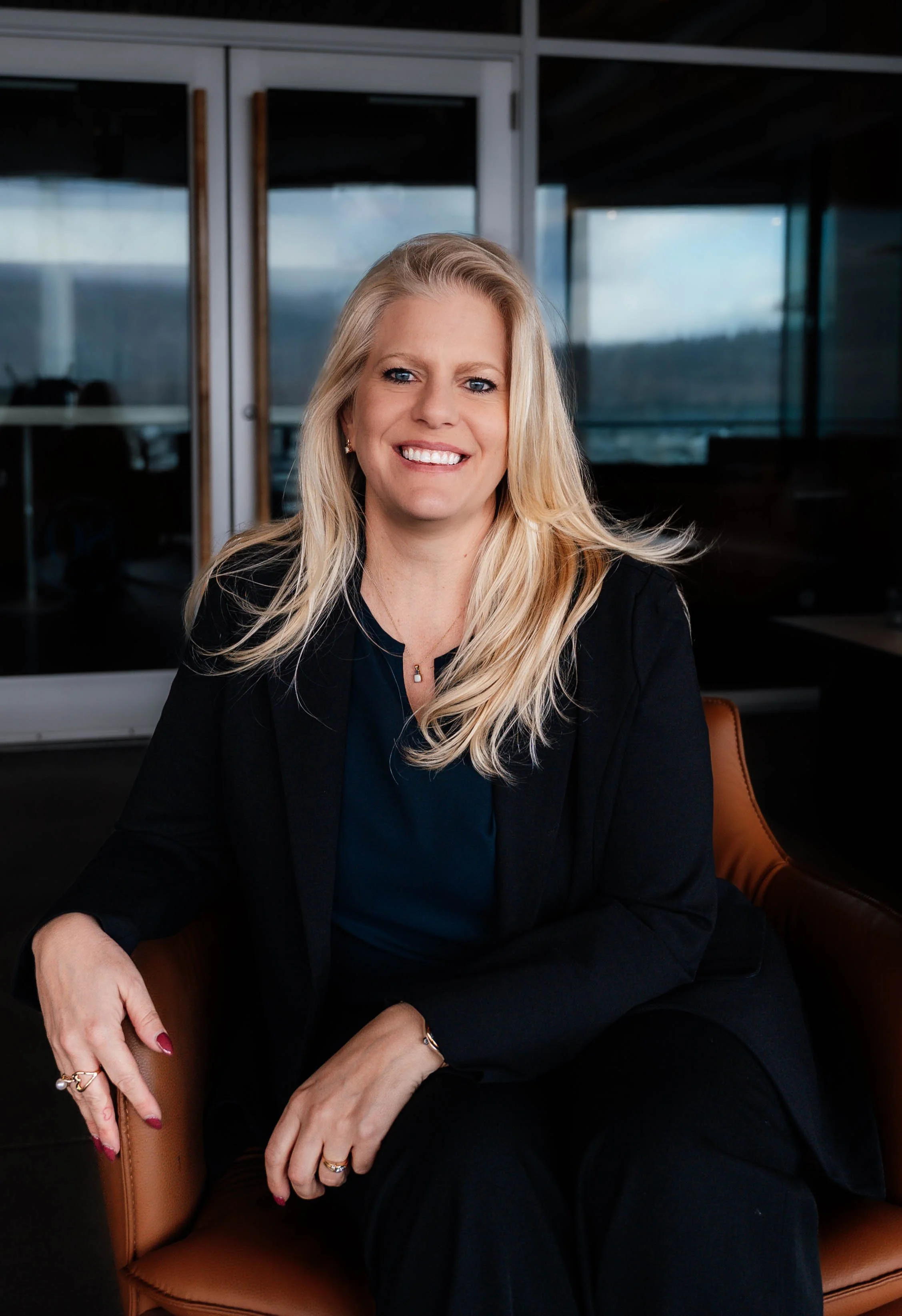
Chantelle Froats is Principal & Event Director at Ankor Strategies, a Kelowna event agency supporting corporations and nonprofits with signature events.